For people with type 1 diabetes and some with type 2 diabetes, insulin therapy is central to glucose control. With many insulin types and dosing schedules, consistent insulin tracking is essential for safety and effectiveness.
Common insulin types
Insulins are grouped by how quickly they start working and how long they last:
- Rapid-acting insulin: Starts quickly and is used to cover mealtime glucose spikes.
- Short-acting insulin: Slightly slower onset, also used around meals.
- Intermediate-acting insulin: Covers basal needs between meals and overnight.
- Long-acting insulin: Provides a steady background level for about 24 hours.
- Premixed insulin: Combines rapid/short and intermediate insulin for convenience.
Why track insulin?
Logging insulin helps you:
- Avoid missed, duplicate, or incorrect doses
- See how doses relate to glucose changes
- Give your care team data to adjust treatment
- Identify times of low blood sugar risk
- Improve adherence to your treatment plan
What to record
A complete insulin log should include:
- Date and time of injection
- Insulin type (brand and generic name)
- Dose in units
- Injection site (abdomen, thigh, upper arm, buttocks)
- Relation to meals
- Glucose before and after injection
- Any unusual reactions such as hypoglycemia
Timing and site rotation
Rapid-acting insulin is usually taken 5–15 minutes before meals per ADA prescribing guidelines; long-acting insulin is taken at the same time each day. Rotate injection sites to avoid lipohypertrophy and keep absorption consistent — the Forum for Injection Technique (FIT) recommends spacing injections at least 1 cm apart within the same area.
Tracking insulin with an app
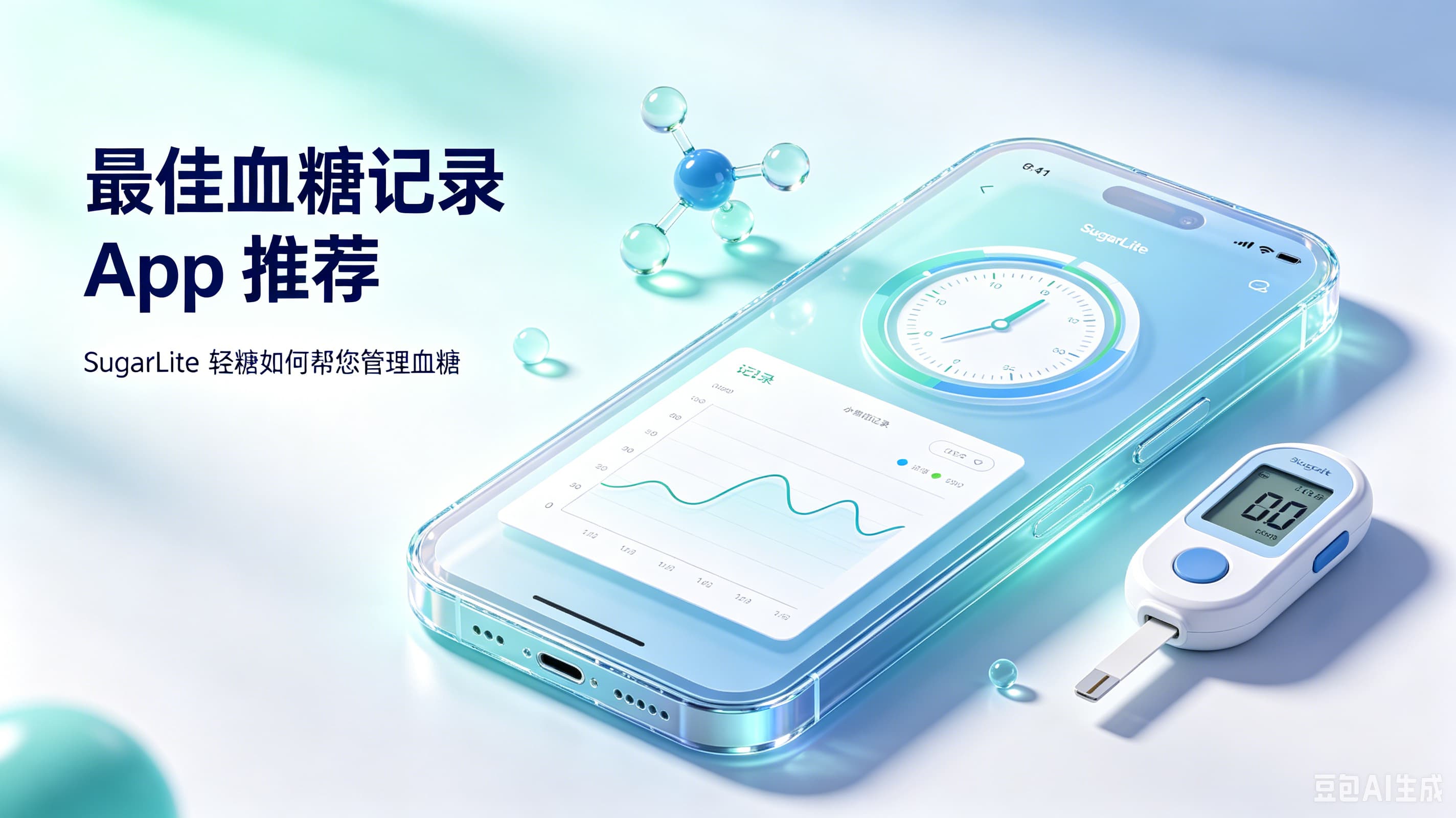
Apps like SugarLite let you link insulin doses with glucose readings, meals, and exercise. By analyzing insulin dose, post-meal glucose, and food choices, you can better understand your regimen and share complete reports with your care team.
Preventing low blood sugar
Hypoglycemia is the most common risk of insulin therapy. Carry fast-acting glucose such as candy or tablets, know the early symptoms (sweating, rapid heartbeat, hunger, dizziness), and treat lows promptly.
Conclusion
Accurate insulin tracking is the foundation of safe and effective therapy. Whether you use a paper log or an app, the keys are consistency, accuracy, and completeness.