Choosing the right monitoring method is a key part of glucose management. The two main options are continuous glucose monitors (CGM) and traditional fingerstick meters. Each has strengths and suits different people and situations.
What is fingerstick testing?
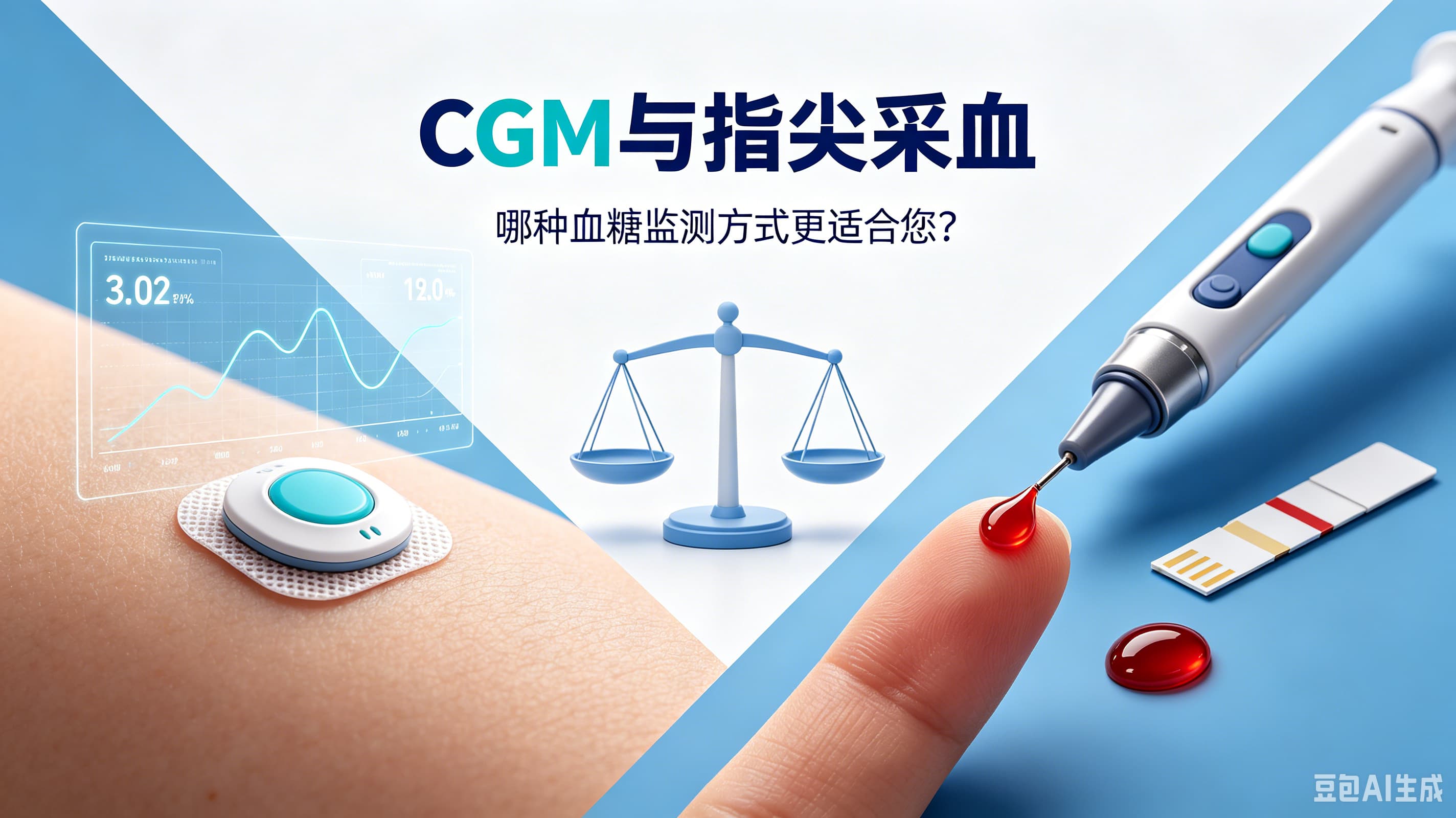
A fingerstick meter measures glucose from a small drop of blood, usually taken from the fingertip. It is the most common home monitoring method, with low upfront cost and widely available test strips.
What is CGM?
A CGM uses a small sensor worn on the skin to measure glucose in the interstitial fluid continuously, updating every 1–5 minutes. Users view real-time curves, trend arrows, and high/low alerts on a phone app.
Accuracy comparison
Fingerstick meters measure capillary blood glucose and are considered the home-monitoring reference. CGMs measure interstitial glucose, which can lag blood glucose by 5–15 minutes, especially during rapid changes, as documented in CGM accuracy studies. Modern CGMs are increasingly accurate, with many achieving MARD values close to fingerstick systems.
Convenience and comfort
The biggest CGM advantage is fewer finger pricks. A single sensor lasts 7–14 days per manufacturer specifications, which is ideal for people who need frequent monitoring or have wide glucose swings. Fingerstick testing requires a new prick each time, which can become uncomfortable and discouraging over time.
Cost comparison
Fingerstick meters have low initial cost, but test strips are an ongoing expense. CGM sensors are more expensive per use but provide far richer data. The right choice depends on your need for continuous data and your budget.
Who is each method best for?
CGM is often a better fit for:
- People with type 1 diabetes or intensive insulin therapy for type 2 diabetes
- Those with large glucose swings or frequent highs/lows
- Anyone who wants to see how foods and exercise affect their glucose
- People with gestational diabetes
How to choose
If you only check occasionally or are budget-conscious, a fingerstick meter is sufficient. If you want a complete picture of your daily glucose curve and want to optimize diet and exercise, a CGM is the better tool.
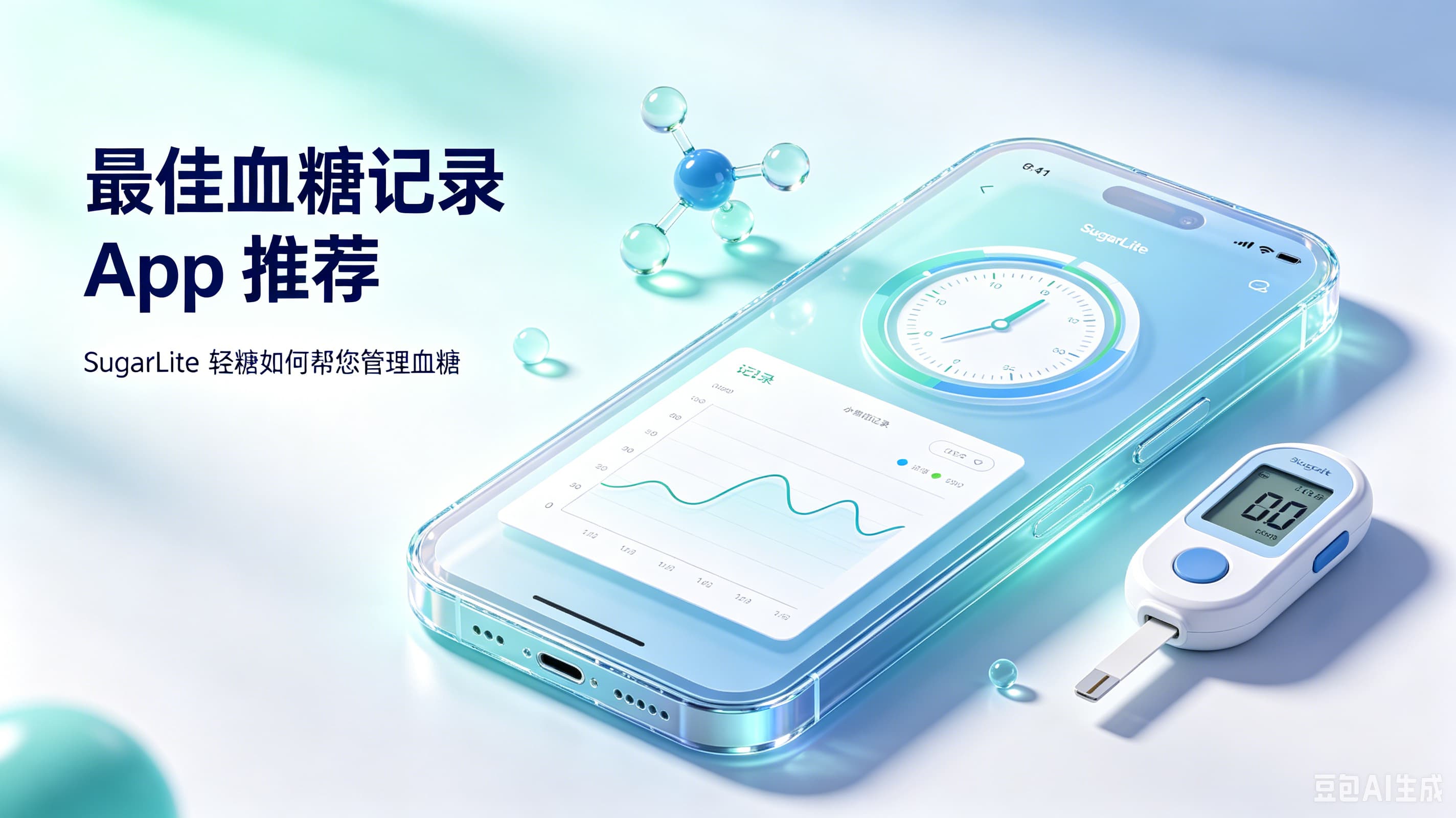
Whichever device you choose, pair it with a good tracking app. See our guide to the best blood sugar tracker app.
Conclusion
CGM and fingerstick testing are complementary rather than competing. Many people use a CGM for trends and a fingerstick meter to confirm readings when needed. Choose the approach that fits your lifestyle and health goals.