Whether you see it on a lab report or your home glucose meter, “blood sugar” is one of the most common health metrics. So, what is blood sugar, and how does it relate to the food you eat and how you feel? Understanding the basics is the first step toward better glucose management.
What is blood sugar?
Blood sugar refers to glucose in the bloodstream. Glucose is the body’s preferred source of energy. When you eat carbohydrates, your digestive system breaks them down into glucose, which enters the blood and is delivered to cells throughout the body.
Blood sugar levels are not static. They rise and fall throughout the day based on meals, activity, sleep, stress, and hormones. A healthy body uses insulin and other hormones to keep glucose within a stable range.
Where does blood sugar come from?
Glucose enters the blood from three main sources:
- Diet: Carbohydrate-rich foods such as rice, bread, fruit, and sweets are the primary source.
- Liver release: Between meals, the liver breaks down stored glycogen and releases glucose into the blood.
- Gluconeogenesis: During fasting or low energy intake, the body can make glucose from proteins and fats.
Why does blood sugar matter?
Glucose fuels nearly every cell, especially the brain and nerves. According to NIH, the brain relies on glucose for about 60% of its daily energy. Low blood sugar can affect concentration, mood, and consciousness; chronically high blood sugar can damage blood vessels and nerves, increasing the risk of diabetes complications.
What are normal blood sugar ranges?
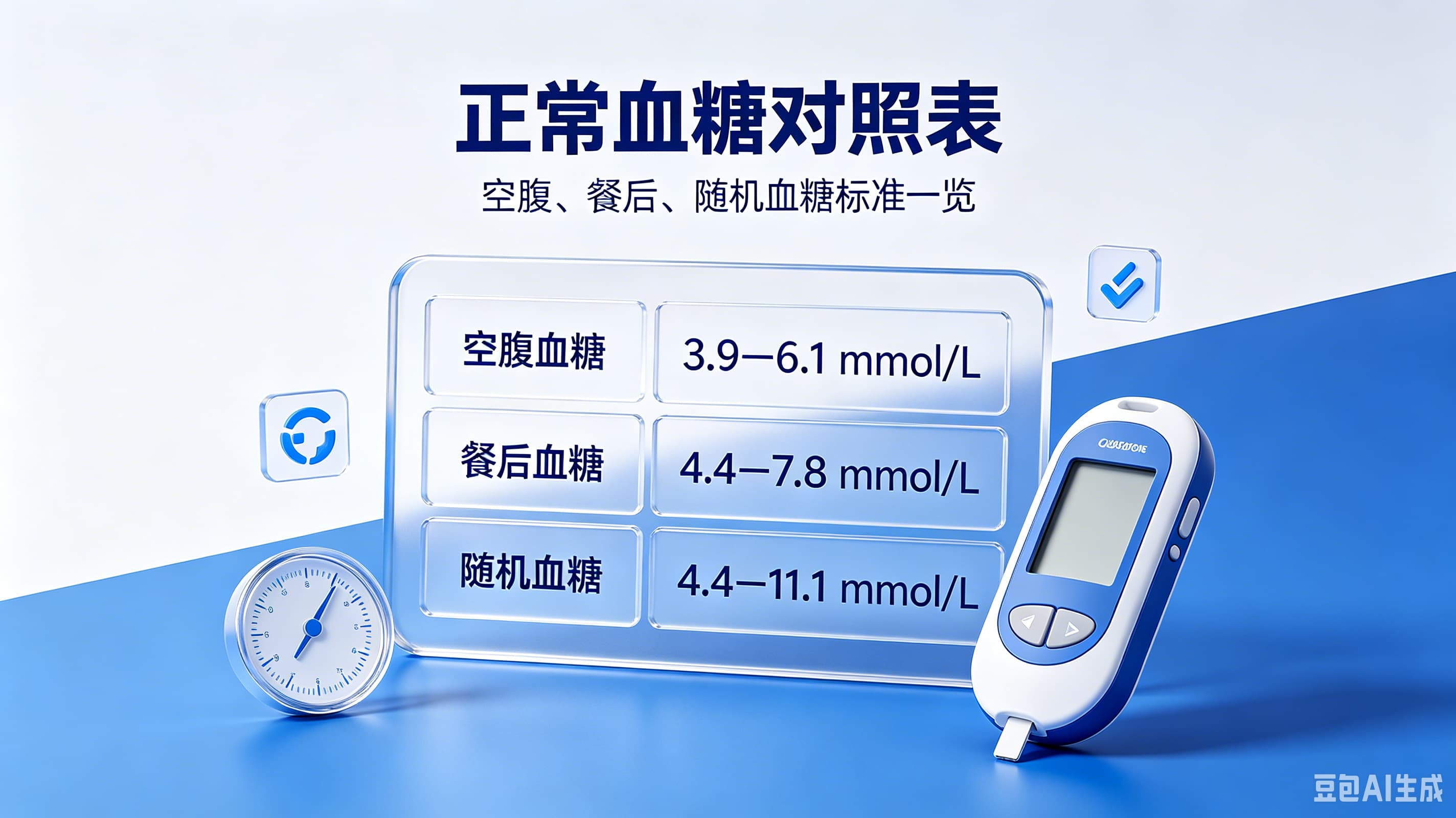
According to IDF and ADA guidance, general target ranges for adults are as follows (individual targets may vary; follow your healthcare provider’s advice):
- Fasting glucose: 3.9–6.1 mmol/L (70–110 mg/dL)
- 2 hours after a meal: under 7.8 mmol/L (140 mg/dL)
- Random glucose: under 11.1 mmol/L (200 mg/dL)
- HbA1c: under 6.5%
What causes blood sugar to fluctuate?
Many factors affect blood sugar, including the type and amount of food, meal timing, exercise, sleep, stress, medications, and hormones. High-GI foods and refined carbohydrates tend to spike glucose quickly, while fiber, protein, and healthy fats help smooth the curve.
For a detailed reference, see our normal blood sugar chart. To manage spikes after eating, read our guide on blood sugar after meals.
How to manage blood sugar scientifically
Effective glucose management comes down to three habits: regular monitoring, logging meals, and reviewing trends. By recording fasting, pre-meal, and post-meal readings, you can learn how specific foods affect you and adjust your diet accordingly.
SugarLite makes this easier with PGI pairing analysis, food logging, trend charts, and AI insights—turning scattered readings into actionable guidance.