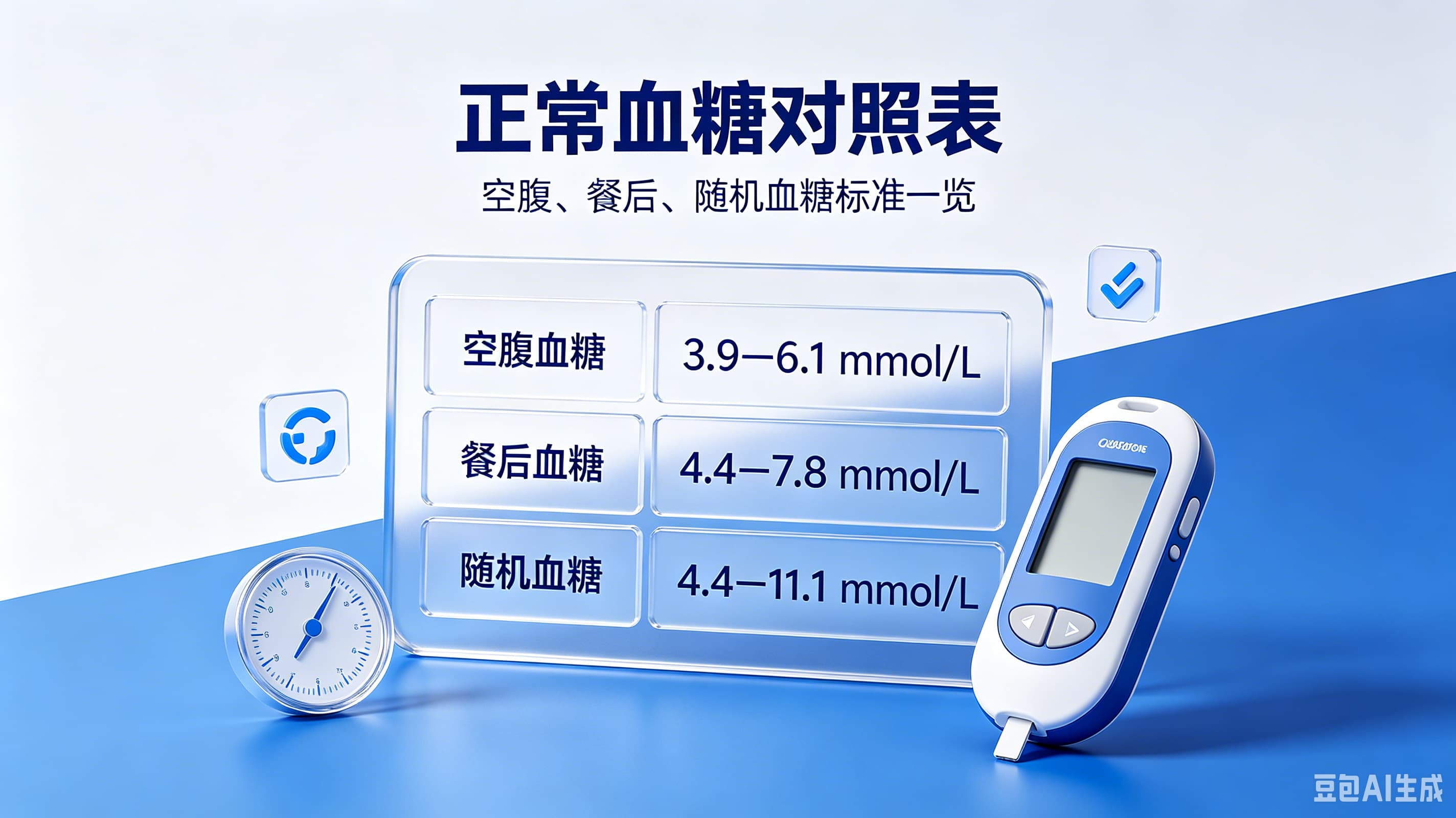
Glucose numbers can be confusing because their meaning depends on when and how they are measured. This ADA-aligned normal blood sugar chart explains fasting, post-meal, random glucose, and HbA1c ranges so you can interpret your results with confidence.
Normal blood sugar chart
These ranges apply to most adults based on ADA and WHO criteria; individual targets may differ:
- Fasting glucose: Normal 3.9–6.1 mmol/L; diabetes ≥ 7.0 mmol/L
- 2 hours after meals: Normal < 7.8 mmol/L; diabetes ≥ 11.1 mmol/L
- Random glucose: Normal < 11.1 mmol/L; diabetes ≥ 11.1 mmol/L with classic symptoms
- HbA1c: Normal < 5.7%; prediabetes 5.7%–6.4%; diabetes ≥ 6.5%
Fasting blood sugar
Fasting glucose is measured after at least 8 hours without food. It is a key screening and diagnostic value. A result between 6.1 and 7.0 mmol/L is known as impaired fasting glucose, a form of prediabetes.
Post-meal blood sugar
Post-meal glucose is measured 2 hours after the first bite. It reflects how well the pancreas responds to food and is often the first marker to become abnormal in early insulin resistance.
Random blood sugar
Random glucose can be measured at any time. A value of ≥ 11.1 mmol/L with classic symptoms such as excessive thirst, frequent urination, and unexplained weight loss supports a diabetes diagnosis. For more detail, see the IDF diagnostic criteria.
HbA1c
HbA1c reflects average blood sugar over 2–3 months and is not affected by a single meal. It is the gold standard for long-term glucose control and can also help diagnose diabetes.
Learn more in our article what is HbA1c.
Individual targets
Glucose targets should be personalized. Older adults, pregnant women, and people with multiple health conditions may have more relaxed goals, while younger people without complications may aim for tighter control. Always set targets with your healthcare provider.
Conclusion
Interpreting glucose numbers becomes easier when you understand what each measurement represents. Combine fasting, post-meal, and HbA1c results for a complete picture of your metabolic health.