Many people focus only on fasting glucose and overlook blood sugar after meals. Yet post-meal glucose reveals how your body handles food and is closely tied to diabetes complication risk.
What is post-meal blood sugar?
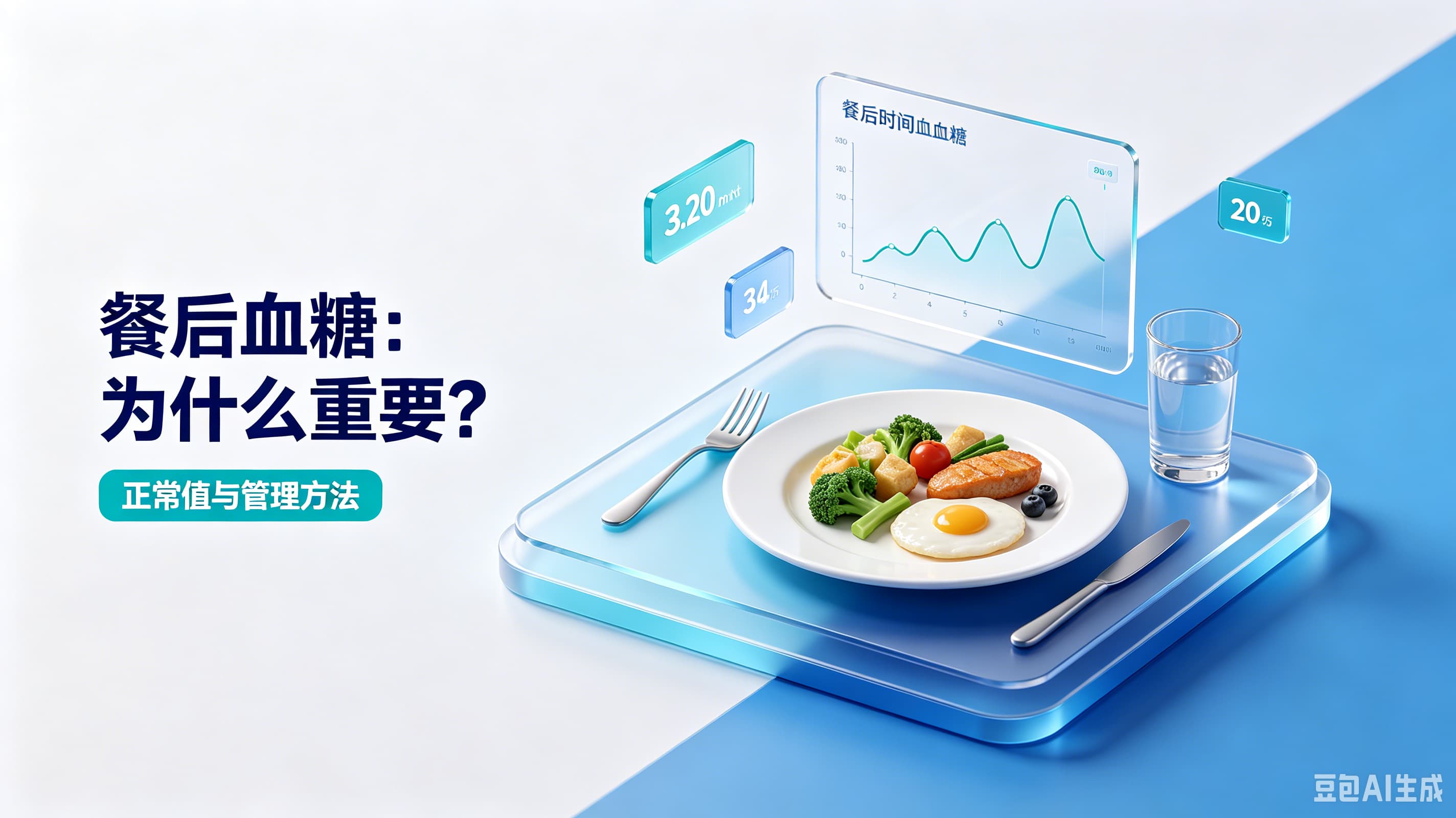
Post-meal, or postprandial, blood sugar is the concentration of glucose in the blood after eating. Carbohydrates are digested into glucose, which enters the bloodstream. In healthy people, insulin helps blood sugar return to baseline within a few hours.
What are normal after-meal ranges?
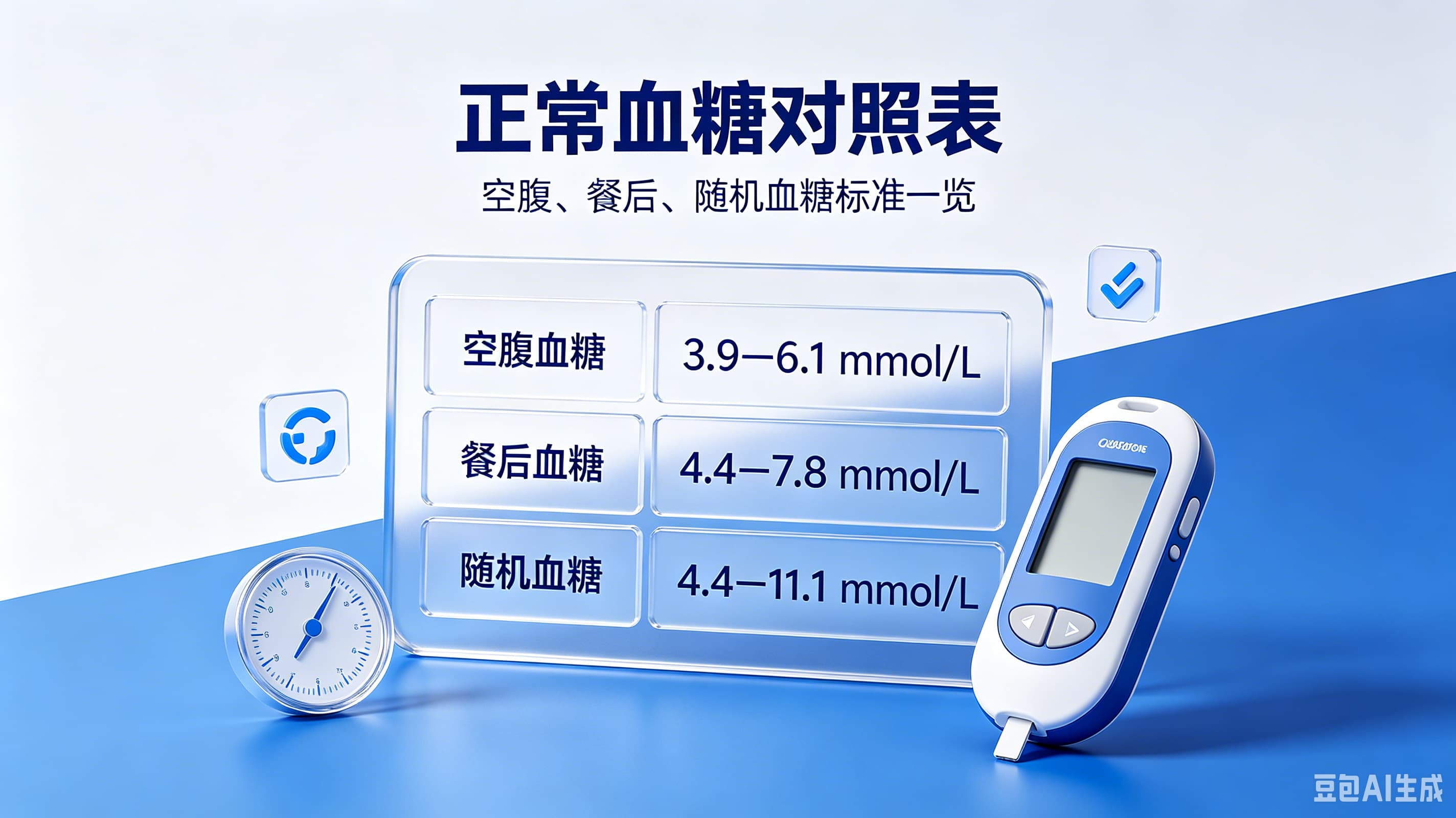
According to the ADA Standards of Medical Care, for most adults without diabetes, blood sugar 2 hours after a meal should be below 7.8 mmol/L (140 mg/dL). Post-meal glucose is closely tied to cardiovascular risk, as demonstrated by the DECODE/DECODA study of over 22,000 participants. For people with diabetes, a common goal defined by the ADA is below 10.0 mmol/L (180 mg/dL) at 2 hours.
Why after-meal glucose matters
Chronic post-meal highs increase the risk of endothelial damage and vascular complications, as found by Shukla et al. (Diabetes Care). The landmark UKPDS trial confirmed that repetitive postprandial glucose spikes accelerate both micro- and macrovascular disease, including retinopathy, nephropathy, neuropathy, and peripheral artery disease. Large swings can also cause fatigue, hunger, and mood instability.
Factors that affect after-meal glucose
Several factors influence the size and timing of a post-meal spike:
- Food type: Refined carbs, sweets, and sugary drinks raise glucose quickly; whole grains, beans, and vegetables raise it more slowly.
- Portion size: Larger meals produce higher peaks.
- Meal order: Eating vegetables and protein before carbs can lower the peak — Shukla et al. (Diabetes Care, 2015) showed a 73% reduction in glucose peaks when carbs were eaten last.
- Cooking method: More processed or overcooked foods tend to spike glucose faster.
- Activity: A short walk after eating helps glucose drop.
How to manage after-meal spikes
Choose low-GI, high-fiber foods and control carbohydrate portions. Eat vegetables and protein first, and take a 10–20 minute walk within 30 minutes after meals.
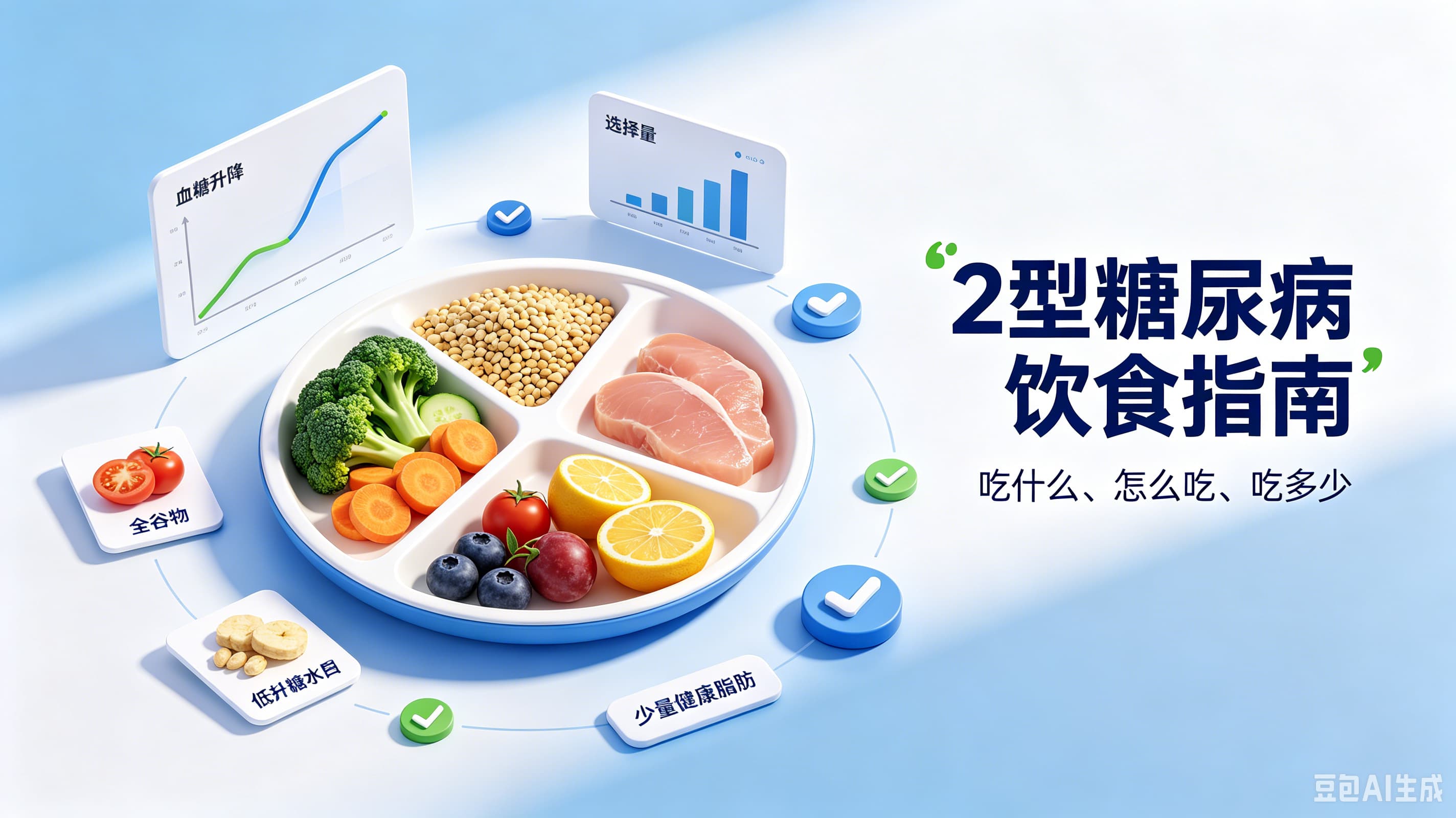
For more diet strategies, see our type 2 diabetes diet guide.
When to measure
Measure 2 hours after your first bite. To catch the peak, add a 1-hour reading. Logging these values in a glucose app helps you spot patterns and identify which foods work best for you.
Conclusion
Post-meal blood sugar is a key piece of glucose management. With the right food choices, meal order, and light activity, most people can significantly improve their after-meal control.