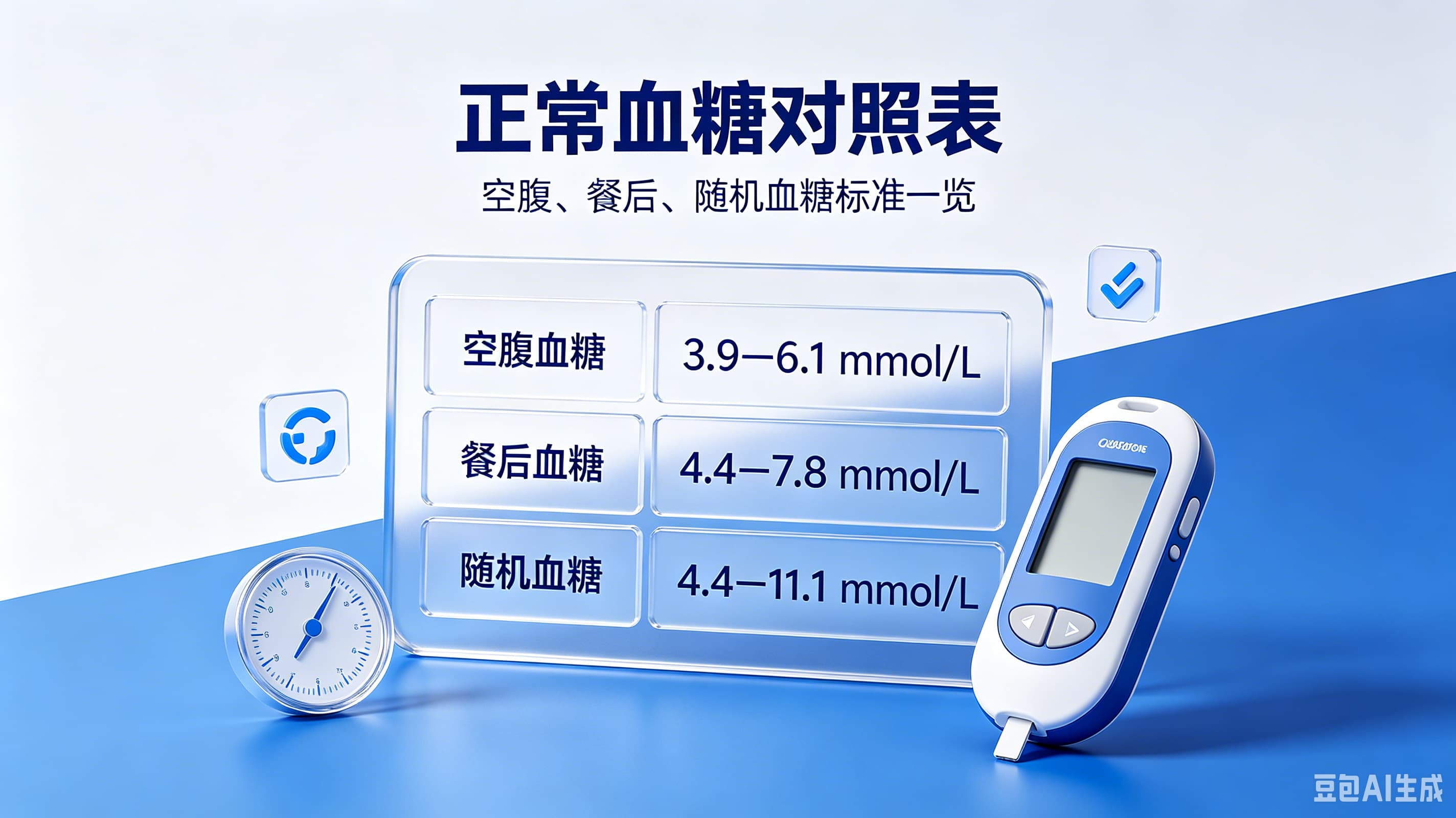
High blood sugar, or hyperglycemia, means glucose in the blood is above normal. Per the NIDDK Diabetes Overview, many people with type 2 diabetes have elevated glucose for years before diagnosis. Knowing the symptoms of high blood sugar can lead to earlier detection and action.
10 common warning signs
If you notice one or more of these symptoms, check your blood sugar:
- Increased thirst: High glucose causes the kidneys to pull water out of the body, leading to unusual thirst.
- Frequent urination: Especially waking multiple times at night to urinate.
- Fatigue: Cells cannot use glucose efficiently for energy.
- Blurred vision: High glucose can change fluid levels in the eye lens.
- Slow-healing wounds: High glucose impairs immune function and circulation.
- Dry, itchy skin: Dehydration and nerve changes can affect the skin.
- Unexplained weight loss: The body breaks down fat and muscle when it cannot use glucose.
- Increased hunger: Cells signal the brain that they need more fuel.
- Headaches and poor concentration: Glucose swings can affect brain function.
- Repeated infections: Such as urinary tract, skin, or fungal infections.
Long-term risks of high blood sugar
Untreated chronic hyperglycemia damages blood vessels and nerves, as confirmed by the UKPDS and EDIC/DCCT trials, raising the risk of:
- Cardiovascular disease, stroke, and peripheral artery disease
- Diabetic retinopathy, which can lead to vision loss
- Diabetic kidney disease and possible kidney failure
- Diabetic neuropathy causing numbness, pain, or loss of sensation
- Diabetic foot problems and infection risk
What to do if your glucose is high
If your readings are high, do not panic. Review recent diet, activity, sleep, and medications, then:
- Cut back on refined carbs and sugary foods
- Add more vegetables and lean protein
- Take a 15–30 minute walk after meals
- Drink water to avoid dehydration
- Follow your care plan for medication adjustments
- Keep monitoring and logging your readings
When to seek medical help
Seek immediate care if your blood sugar stays above 13.9 mmol/L (250 mg/dL) or if you experience nausea, vomiting, abdominal pain, rapid breathing, or confusion — these signal diabetic ketoacidosis (DKA), a medical emergency.
Conclusion
High blood sugar symptoms can be subtle but the consequences are serious. Regular monitoring and healthy habits are the keys to prevention and control.
For lifestyle strategies, read how to lower blood sugar naturally.